
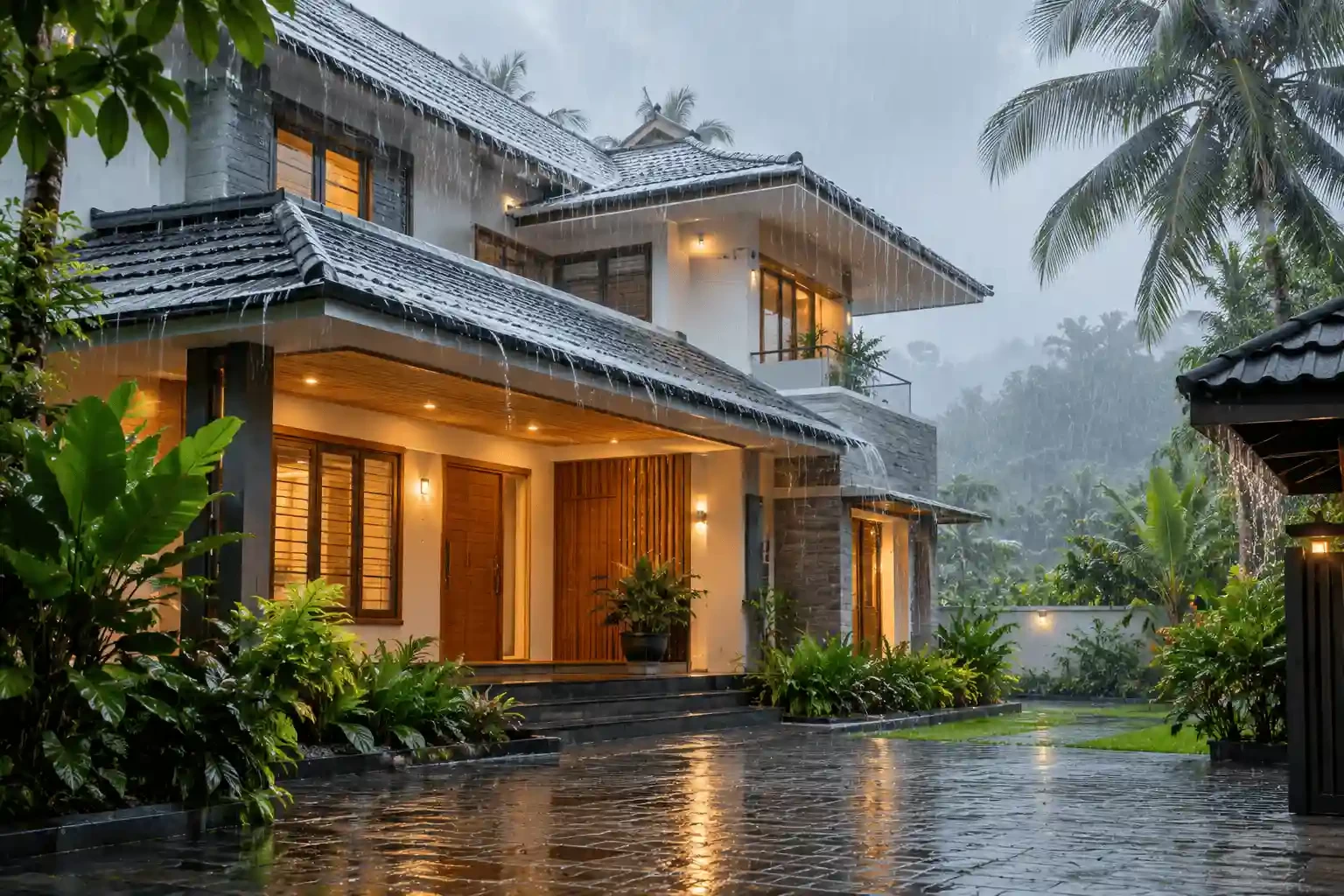
5 Monsoon-Ready Features Every Villa in Kerala Should Have
When choosing a villa in Kerala, these five features are worth checking for monsoon readiness. A sloped roof with overhangs, effective waterproofing, proper drainage, a raised floor level, and good ventilation. Each section below explains what the feature does, why it matters in Kerala's rain and humidity, and what you can check during a site visit. A short checklist at the end helps you compare villas before you decide. The guide is useful whether you are buying a ready villa or planning to build your own home anywhere in Kerala.
Why Is Monsoon-Ready Design Important for Villas in Kerala?
Monsoon-ready design matters because Kerala receives about 3,000 mm of rain a year, and humidity stays high even between showers. When it’s not protected properly, this leads to damp walls, leaking roofs, mould, waterlogged areas, and repair bills that come back every season. Let us look at the five features that prevent these problems, starting with the roof.
1. Why Do Kerala Villas Need Sloped Roofs and Overhangs?
A sloped roof drains rainwater quickly, preventing water from collecting on the surface and seeping through. Overhangs, also called eaves, extend the roof beyond the walls and keep direct rain off the walls, windows, and doors.This protects paint, plaster, and window frames, and it lets you keep windows open during light rain. Flat roofs can also work, but they need a steady fall toward the outlets and good waterproofing.
When you visit a villa, check how far the roof projects on each side. A roofline with almost no overhang may look clean, but the walls below take the full force of wind-driven rain. We suggest treating roof design as a performance feature and not only a styling choice.
2. Where Should a Villa in Kerala Be Waterproofed?
A villa needs waterproofing on the roof, terrace, bathrooms, balconies, and around window and door joints. These areas stay wet or exposed the longest, and each one needs its own treatment before tiles and plaster go on.You cannot see waterproofing once the finishes are done. Poor work may remain hidden until repeated periods of heavy rain expose the weakness, usually as ceiling stains, peeling paint, or damp patches.
A water-holding test on terraces and bathroom floors can reveal leaks before the finishes are laid. Ask house builders in Kochi whether they carry out this test, and request a record. Also look at the sealant around window frames, since gaps there let rain in.
3. How Should Rainwater Drain Around a Villa?
Rainwater should have a clear path out of your plot. Gutters and downpipes take it off the roof, and a sloped compound with drains leads it away from the walls. Water left standing around the building causes damage over time.
- Gutters and downpipes: They should be wide enough for heavy downpours and easy to reach for cleaning, because leaves block them quickly.
- Sloped compound: The ground should slope away from the walls so water does not collect against them.
- Foundation area: Standing water here can increase moisture around the foundation and contribute to dampness in lower walls and floors.
- Plot-level planning: Reliable home builders in Kerala plan the drainage path for the whole plot, including where water leaves the site, before construction starts.
- Gated communities: Ask how the shared drains connect to each plot.
- Site visit: If you can, visit after a heavy shower, since puddles beside the walls show how the site handles water.
4. Why Does a Villa Need a Raised Plinth?
A raised plinth lifts the floor above ground level, so less rainwater gets in, less water splashes onto the lower walls, and less moisture rises from the soil. This helps the plaster and paint near the base of the walls last longer. Compare the villa's floor level with the road and the rest of the plot. A floor level with or below the road can take in runoff during heavy rain.
When you compare budget home builders in Kerala, look at construction details such as plinth height and waterproofing, and not price alone. These details decide how the villa performs over the years, and they are easier to get right during construction than to correct later.
5. How Does Ventilation Reduce Humidity Inside a Villa?
Cross-ventilation lowers humidity by letting air come in through openings on one side of a room and go out through the other, taking the damp air with it. Without that airflow, moisture stays trapped, rooms start to smell musty, and mould can grow in corners and behind wardrobes.
Good airflow also means you rely less on fans and air conditioners to stay comfortable.
Look for windows that face each other, vents near the ceiling, and bathrooms and kitchens that open to the outside. High-level vents help in heavy rain because they let air out while keeping water out. A courtyard or sit-out can also improve airflow between rooms.
What Should You Check Before Buying a Villa in Kerala?
A careful visit tells you a lot about how a villa will cope with the monsoon. Look at the roof, walls, terraces, plot, windows, and airflow, and note signs of moisture. This checklist covers each point worth checking on site.
- Check the roof slope and how far the eaves extend on every side.
- Look for damp patches or seepage on ceilings, wall corners, and below windows.
- Terrace and balcony outlets should be clear, with floors sloping toward them.
- Watch how water flows around the plot after rain.
- Compare the floor level with the road and the compound.
- Inspect the sealant around window and door frames.
- Make sure the openings facing each other let air pass between rooms.
How Do Monsoon-Ready Features Improve Comfort and Durability?
Together, these five features make a villa more comfortable during humid weather, more durable, and easier to maintain. The roof sheds rain; waterproofing protects the structure; drainage moves water away; the plinth keeps it out, and ventilation clears the moisture that remains.
The result is fewer leaks, less mould, a drier interior, and lower repair costs over the years. Checking these points before you commit helps you avoid repeating the same repairs every monsoon.
Explore Greentech Villas in Kochi
Greentech Builders builds villas in and around Kochi, including Kakkanad, Pallikkara, and Kizhakkambalam. Our current projects are The Mexican Bungalows, Scotland Yard Villa, and Rainwoods Villa, so you can choose a villa that suits your budget and plot size. We manage construction and handover ourselves, so you work with one team throughout the process.
Our support continues after you move in, with after-sales care, home care, and electrical maintenance. Schedule a site visit with Greentech Builders and Developers to explore our villas in Kochi, discuss your budget and requirements, and find a home that suits your lifestyle. Contact our team today to take the next step towards owning your dream villa.
Related Blogs
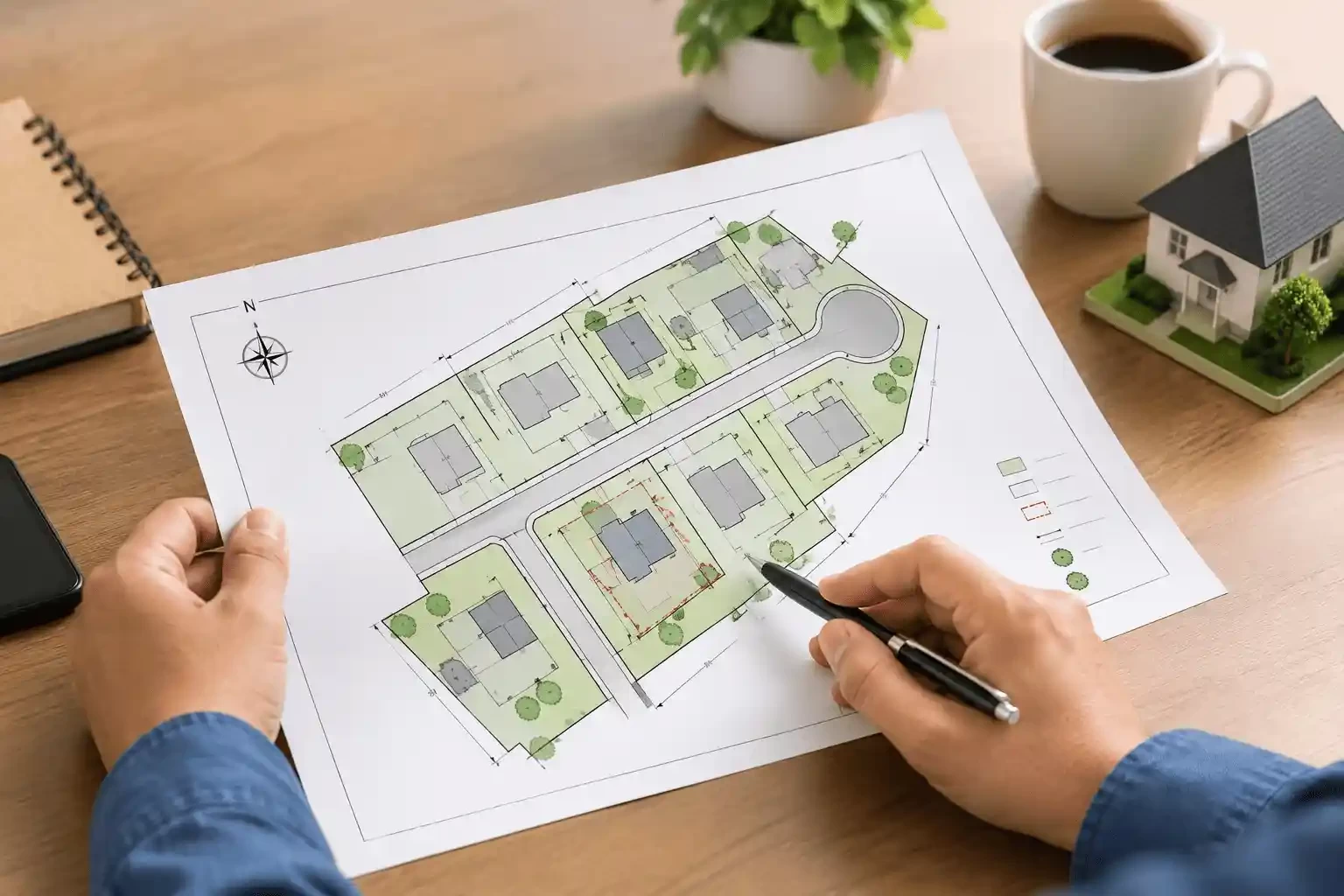
How to Read a Property Layout Plan Before Buying a Home
Learn how to read a property layout plan before buying a home. Understand plot dimensions, boundaries, setbacks, and key details to make an informed decision

What Makes a Villa a Perfect Home for Modern Families?
What makes a villa perfect for modern families? Explore how space, privacy, thoughtful layouts and modern features create a comfortable family home.

Key Factors to Consider When Selecting a Builder in Kochi
Choosing a builder in Kochi? Learn the key factors to consider, from construction quality and experience to pricing, location, timelines, and support.

Buying a Villa vs. Renting a Home: Which Is Right for Your Family?
Compare buying a villa vs. renting a home to understand the costs, flexibility, lifestyle benefits, and long-term value and find the right choice for your family.
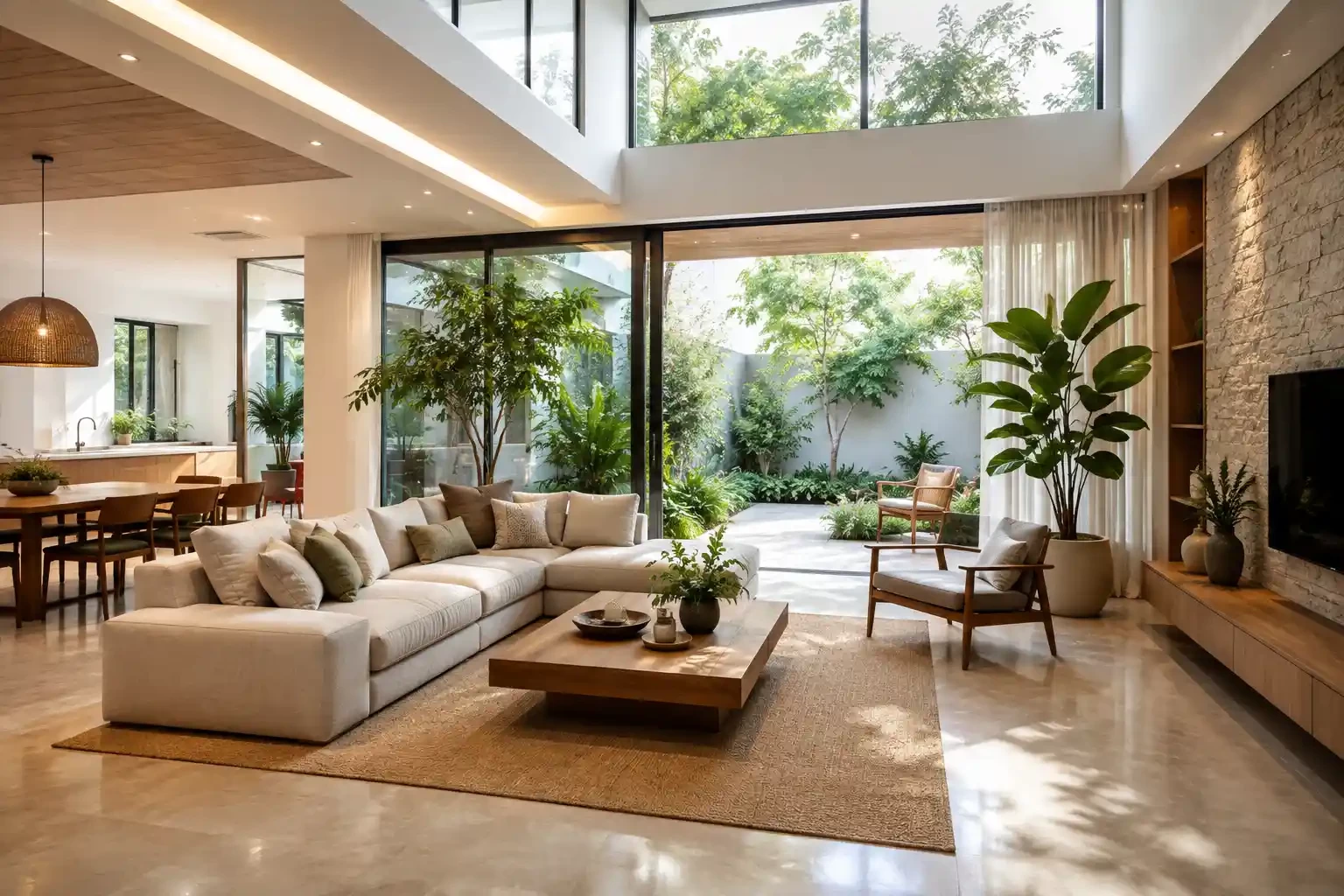
Design Features That Improve Quality of Life in Residential Spaces
Thoughtful design features such as natural light, ventilation, efficient layouts, privacy, and green spaces can make residential spaces more comfortable, functional, and enjoyable.

What Makes a Villa Community Feel Truly Premium
Discover what makes a villa community truly premium. Learn the key features of luxury villas in Ernakulam and why Kakkanad is a top choice for modern living
